
| From Joyce Carol Oates comes “Breathe,” a novel of love and loss from Best-selling and prize-winning author Joyce Carol Oates. Amid a starkly beautiful but uncanny landscape in New Mexico, a married couple from Cambridge, MA takes residency at a distinguished academic institute. When the husband is stricken with a mysterious illness, misdiagnosed at first, their lives are uprooted and husband and wife each embarks upon a nightmare journey. At thirty-seven, Michaela faces the terrifying prospect of widowhood – and the loss of Gerard, whose identity has greatly shaped her own. In vividly depicted scenes of escalating suspense, Michaela cares desperately for Gerard in his final days as she comes to realize that her love for her husband, however fierce and selfless, is not enough to save him and that his death is beyond her comprehension. A love that refuses to be surrendered at death—is this the blessing of a unique married love, or a curse that must be exorcized? Part intimately detailed love story, part horror story rooted in real life, BREATHE is an exploration of hauntedness rooted in the domesticity of marital love, as well as our determination both to be faithful to the beloved and to survive the trauma of loss. |
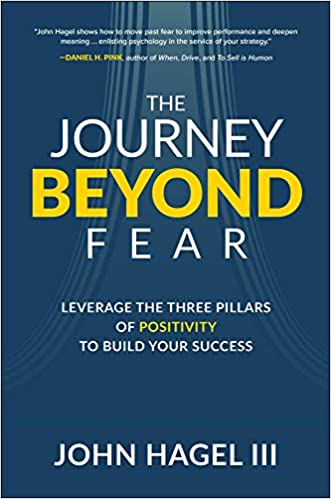 How do we address the fear that is consuming us. John Hagel’s The Journey Beyond Fear” could not be timelier. More and more people around the world are acknowledging the fear they feel and are seeking ways to overcome it. Fear had been spreading well before the current pandemic, but the pandemic has intensified it. The pandemic has helped to make it more acceptable to acknowledge the fear and increased our desire to move beyond fear. Over decades, my job has been to help people (and organizations) anticipate how the world is changing and address the opportunities emerging from these changes. Over the years, I realized that our emotions shape our choices and actions in profound ways and that we are not paying enough attention to the emotions that govern our lives and that serve as either obstacles or amplifiers of personal, institutional and social progress. This book suggests the spreading emotion of fear is certainly understandable given the forces that are creating mounting performance pressure on all of us, but the emotion is very limiting. More importantly, while we are susceptible to fear, none of us wants to live in fear. We all aspire to cultivate hope and excitement so that we can achieve more meaningful impact. Offering a path forward, this book focuses on the role that narrative, passion and platforms can play in helping us to cultivate the emotions that will help us to move beyond fear. |
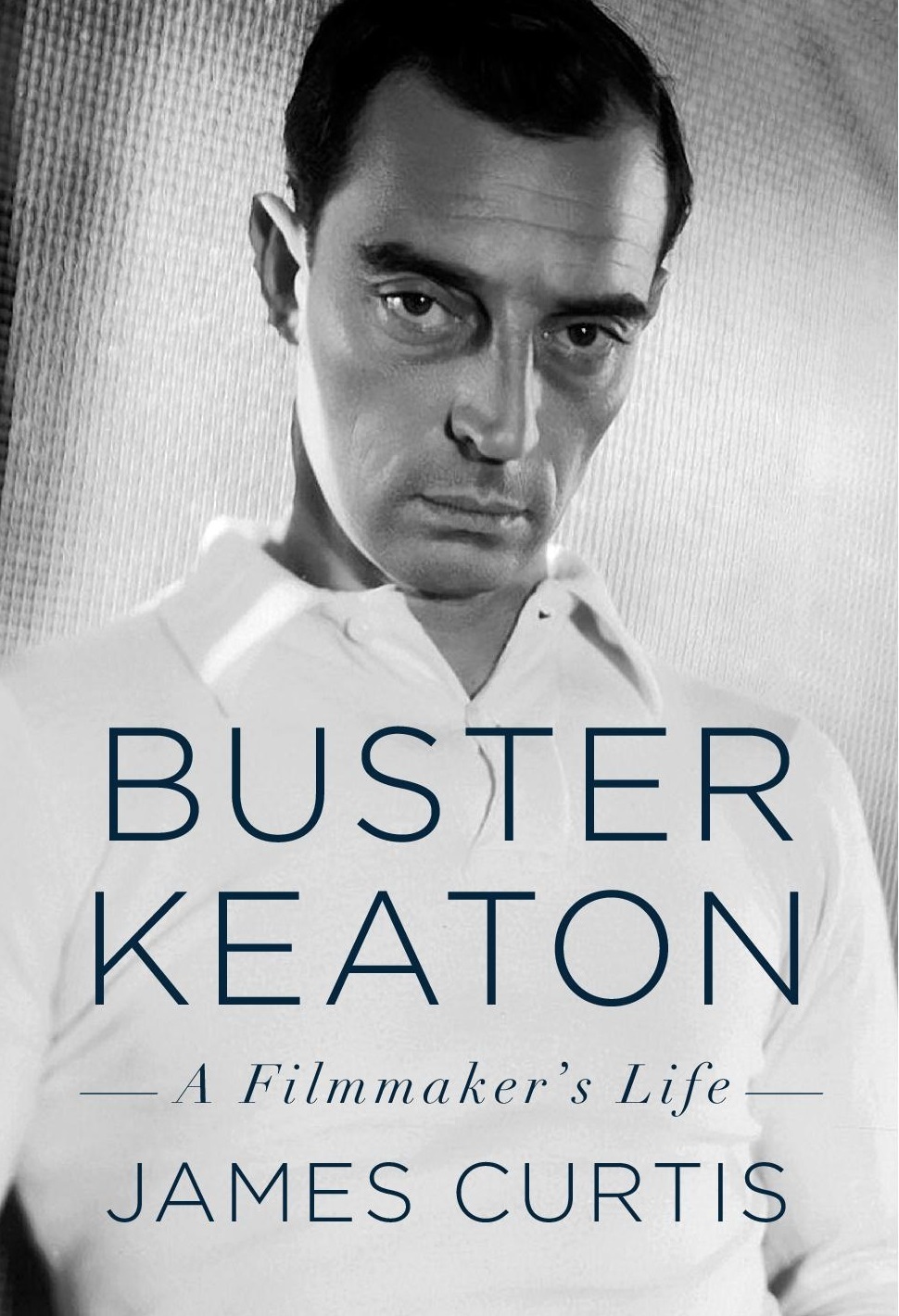 Over the past century, Buster Keaton’s story has become mired in myth and legend. Now James Curtis, the award-winning biographer of W.C. Fields, Preston Sturges, James Whale, and Spencer Tracy, follows Keaton’s extraordinary life of triumph and tragedy in the first major biography in more than a quarter century . Buster Keaton–a Filmmaker’s Life draws on newly unearthed archival resources, as well as interviews with family, friends, and co-workers, Keaton’s complex genius emerges as never before. It was James Agee who first christened Buster Keaton “The Great Stone Face,” but to audiences who had known Keaton since the age of five, it was merely a formality. The whole world had come to accept his stoic features as one of the genuine trademarks of silent film comedy, a deadpan in a pork pie hat as famous as Charlie Chaplin’s disreputable tramp or Harold Lloyd’s eager beaver in straw boater and spectacles. “He was the only major comedian who kept sentiment almost entirely out of his work,” Agee wrote, “and he brought pure physical comedy to its greatest heights.” Keaton’s singular look and acrobatic brilliance obscured the fact that behind the camera he was also one of the silent era’s most gifted filmmakers. Through a string of nineteen short comedies and twelve extraordinary features he distinguished himself with such indelible works as “One Week”, “The Play House”, “The Boat”, “Cops”, “Our Hospitality”, “Sherlock Jr.”, “The Navigator”, “Seven Chances”, “Steamboat Bill, Jr.”, “The Cameraman”, and his magnum opus “The General”. As a body of work, they rival Chaplin’s in terms of quality and sheer comic invention. In 1960 Keaton was awarded an honorary Oscar. Curtis brings new insights to Keaton’s medicine show and vaudeville years as Buster becomes one of America’s most famous performing children. Entering films as the protégée of Roscoe “Fatty” Arbuckle, Keaton quickly ascends to co-director of some of the world’s most popular short comedies. And when Arbuckle moves into features in 1920, Keaton begins to write, direct, and star in his own series of comedy classics, films that are still revived and honored today as some of the screen’s greatest treasures. |
 Michael Lewis talks about the early days of NASL soccer in the United States were wild and the survival of the Rochester Lancers in “Alive and Kicking,” is an amazing one; a tale about passion for the beautiful game, and how the team and owners survived the good, bad and ugly times during a 14-year existence. This book tells their story, the birth, life and death of the club. It starts with their humble beginnings with the Italian American Sport Club, which captured the 1963 National Amateur Cup title, to their glory years – they saved the North American Soccer League from extinction in 1970, to some lean and disappointing seasons, to a late revival before the team went to the great soccer league in the sky. The Lancers were operated by owners who didn’t necessarily want to get rich on the sport but wanted to see the game grow in their city and the United States as the Green Bay of soccer. The team certainly lived in some interesting times, with many characters and players wearing various renditions of the blue and gold uniform. There were historic Concacaf Champions League matches in Guatemala, an NASL championship celebration, colossal late collapses, winning despite multiple own goals by the same defender, winning a playoff match despite two penalty kick failures by the same striker, and winning another playoff game despite playing with two men down at an enemy venue. With the Lancers, there was always plenty of hope, but perhaps not as much money as the owners and players had hoped. There was one common denominator. There seemed to be never a dull moment. For example:A star player asking to be traded every season.A revolving door of coaches.A fierce and deadly ethnic rivalry spreading to Toronto and Rochester.A teenage scoring star almost saving a season.A marathon 176 minute playoff game for the ages seemingly lasting for ages.A harrowing plane ride from Washington, D.C. to Rochester, N.Y.Opposing teams arriving late at games.Goalkeepers commuting to games from their home cities.A team owner sitting on the bench during games.Another team owner sending notes to the coach from the press box to the bench on what substitutions should have been made.An owner coaching the team to a few wins.Another owner directing the team to its worst defeat.A coach who was suspended from the field for home games, guiding the squad from the roof of the press box.Not one, but two players, throwing their shirts at their coach after being replaced.The Lancers playing in an antiquated venue, Holleder Stadium, which former New York Cosmos and German legend Franz Beckenbauer called “a nice place to grow potatoes.”Home supporters invading the field and attacking the team during a match. This volume includes every game the Lancers played. For many Rochester soccer fans, it will be heaven. For outsiders, it might be a bit too much, and perhaps a drudgery, because many matches are detailed. But those facts put what transpired between games into proper context and perspective. |
 By Dean Ornish, the pioneer of lifestyle medicine, a simple, scientifically program proven to often reverse the progression of the most common and costly chronic diseases and even begin reversing aging at a cellular level! The book, UnDo It, is long rated “#1 for Heart Health” by U.S. News & World Report, Dr. Ornish’s Program is now covered by Medicare when offered virtually at home. Dean Ornish, M.D., has directed revolutionary research proving, for the first time, that lifestyle changes can often reverse—undo!—the progression of many of the most common and costly chronic diseases and even begin reversing aging at a cellular level. Medicare and many insurance companies now cover Dr. Ornish’s lifestyle medicine program for reversing chronic disease because it consistently achieves bigger changes in lifestyle, better clinical outcomes, larger cost savings, and greater adherence than have ever been reported—based on forty years of research published in the leading peer-reviewed medical and scientific journals. Now, in this landmark book, he and Anne Ornish present a simple yet powerful new unifying theory explaining why these same lifestyle changes can reverse so many different chronic diseases and how quickly these benefits occur. They describe what it is, why it works, and how you can do it: Eat well: a whole foods, plant-based diet naturally low in fat and sugar and high in flavor. The “Ornish diet” has been rated “#1 for Heart Health” by U.S. News & World Report for eleven years since 2011. Move more: moderate exercise such as walkingStress less: including meditation and gentle yoga practicesLove more: how love and intimacy transform loneliness into healing With seventy recipes, easy-to-follow meal plans, tips for stocking your kitchen and eating out, recommended exercises, stress-reduction advice, and inspiring patient stories of life-transforming benefits—for example, several people improved so much after only nine weeks they were able to avoid a heart transplant—Undo It! empowers readers with new hope and new choices. |
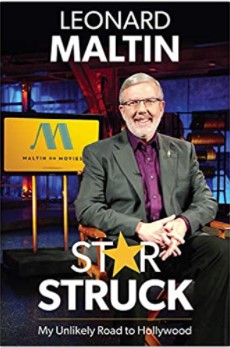 This year, we had our annual Luncheon Society Academy Award gathering with Film critic Leonard Maltin, and we also talked about his new memoir Starstruck. While we worked our way through his personal Oscar choices, he took along the film journey of his life. Hollywood historian and film reviewer Leonard Maltin invites readers to pull up a chair and listen as he tells stories, many of them hilarious, of 50+ years interacting with legendary movie stars, writers, directors, producers, and cartoonists. Maltin grew up in the first decade of television, immersing himself in TV programs and accessing 1930s and ’40s movies hitting the small screen. His fan letters to admired performers led to unexpected correspondences, then to interviews and publication of his own fan magazine. Maltin’s career as a free-lance writer and New York Times-bestselling author as well as his 30-year run on Entertainment Tonight, gave him access to Katharine Hepburn, Elizabeth Taylor, Sean Connery, Shirley Temple, and Jimmy Stewart among hundreds of other Golden Age stars, his interviews cutting through the Hollywood veneer and revealing the human behind each legend. Starstruck also offers a fascinating glimpse inside the Disney empire, and Maltin’s tenure teaching USC’s popular film course reveals insights into moviemaking along with access to past, current, and future stars of film, such as George Lucas, Kevin Feige, Quentin Tarantino, and Guillermo del Toro. |
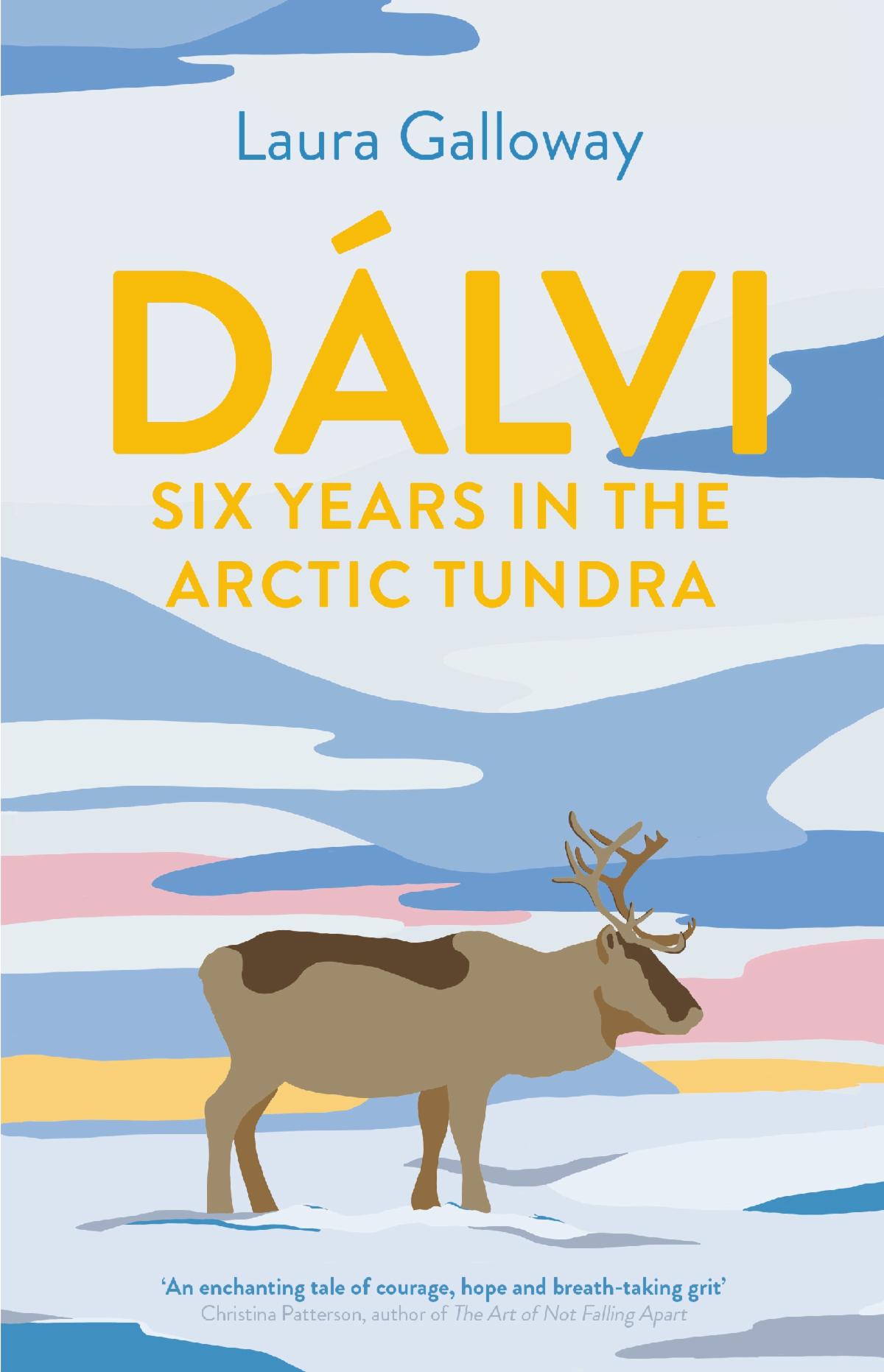 When your good friend Laura Galloway leaves a high-powered media position as External Head of Media Relations for the TED Conferences in Manhattan to move to a remote village in Norway, high above the Arctic Circle, you keep in touch. When she writes a wonderful memoir, you read it. And when you run The Luncheon Society, you tell your friends about this wonderful book. Now that the Laura’s book has been published in the United States, join us for a great conversation. The “Why” of her book is truly revelational and its detailed in “Dalvi, Six Years in the Tundra.” An ancestry test suggesting she shared some DNA with the Sámi people, the indigenous inhabitants of the Arctic tundra, tapped into Laura Galloway’s wanderlust; an affair with a Sámi reindeer herder ultimately led her to leave New York for the tiny town of Kautokeino, Norway. When her new boyfriend left her unexpectedly after six months, it would have been easy, and perhaps prudent, to return home. But she stayed for six years. Dálvi is the story of Laura’s time in a reindeer-herding village in the Arctic, forging a solitary existence as she struggled to learn the language and make her way in a remote community for which there were no guidebooks or manuals for how to fit in. Her time in the North opened her to a new world. And it brought something else as well: reconciliation and peace with the traumatic events that had previously defined her – the sudden death of her mother when she was three, a difficult childhood and her lifelong search for connection and a sense of home. Both a heart-rending memoir and a love letter to the singular landscape of the region, Dálvi explores with great warmth and humility what it means to truly belong. |
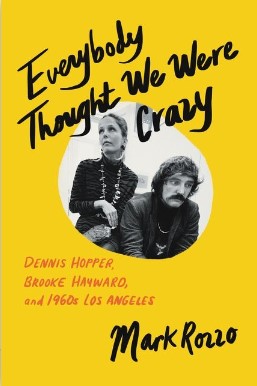 Everybody Thought We Were Crazy, the runaway bestseller about Dennis Hopper and Brooke Hayward touches on every intersection of 1960’s Los Angeles: Film, Art, Sex, Drugs, Fame, Self-Expression, Television, Movies, The Sunset Strip, Abuse, The New Hollywood, and More Drugs but the epicenter was at 1712 North Crescent Heights Boulevard–their home in the Hollywood Hills. Its a busy neighborhood but Mark Rozzo brings it all alive. Los Angeles in the 1960s: riots in Watts and on the Sunset Strip, wild weekends in Malibu, late nights at The Daisy discotheque, openings at the Ferus Gallery, and the convergence of pop art, rock and roll, and the New Hollywood. At the center of it all, one inspired, improbable, and highly combustible couple—Dennis Hopper and Brooke Hayward—lived out the emblematic love story of ’60s L.A. The home these two glamorous young actors created for themselves and their family at 1712 North Crescent Heights Boulevard in the Hollywood Hills became the era’s unofficial living room, a kaleidoscopic realm—“furnished like an amusement park,” Andy Warhol said—that made an impact on anyone who ever stepped into it. Hopper and Hayward, vanguard collectors of contemporary art, packed the place with pop masterpieces by the likes of Roy Lichtenstein, Ed Ruscha, and Warhol, and welcomed a who’s who of visitors, from Jane Fonda to Jasper Johns, Joan Didion to Tina Turner, Hells Angels to Black Panthers. In this house, everything that defined the 1960s went down: the fun, the decadence, the radical politics, and, ultimately, the danger and instability that Hopper explored in the project that made his career, became the cinematic symbol of the period, and blew their union apart—Easy Rider. Everybody Thought We Were Crazy is at once a fascinating account of the Hopper and Hayward union and a deeply researched, panoramic cultural history. It’s the intimate saga of one couple whose own rise and fall—from youthful creative flowering to disorder and chaos—mirrors the very shape of the decade. |
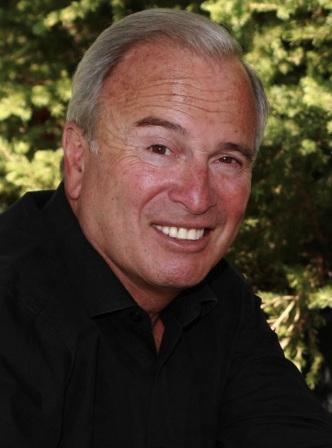 A vivid biography of Harvey Weinstein from The New Yorker’s Ken Auletta—how he rose to become a dominant figure in the film world, how he used that position to feed his monstrous sexual appetites, and how it all came crashing down, from the author who has covered the Hollywood and media power game for The New Yorker for three decades. Hollywood Ending: Harvey Weinstein and The Culture of Silence is searing stuff. Twenty years ago, Ken Auletta wrote an iconic New Yorker profile of the Hollywood mogul Harvey Weinstein, who was then at the height of his powers. The profile made waves for exposing how volatile, even violent, Weinstein was to his employees and collaborators. But there was a much darker story that was just out of reach: rumors had long swirled that Weinstein was a sexual predator. Auletta confronted Weinstein, who denied the claims. Since no one was willing to go on the record, Auletta and the magazine concluded they couldn’t close the case. Years later, he was able to share his reporting notes and knowledge with Ronan Farrow; he cheered as Farrow, and Jodi Kantor and Megan Twohey, finally revealed the truth. Still, the story continued to nag him. The trail of assaults and cover-ups had been exposed, but the larger questions remained: What was at the root of Weinstein’s monstrousness? How, and why, was it never checked? Why the silence? How does a man run the day-to-day operations of a company with hundreds of employees and revenues in the hundreds of millions of dollars, and at the same time live a shadow life of sexual predation without ever being caught? How much is this a story about Harvey Weinstein, and how much is this a story about Hollywood and power? In pursuit of the answers, Auletta digs into Weinstein’s life, searching for the mysteries beneath a film career unparalleled for its extraordinary talent and creative success, which combined with a personal brutality and viciousness to leave a trail of ruined lives in its wake. Hollywood Ending is more than a prosecutor’s litany; it is an unflinching examination of Weinstein’s life and career, embedding his crimes in the context of the movie business, in his failures and the successes that led to enormous power. Film stars, Miramax employees and board members, old friends and family, and even the person who knew him best—Harvey’s brother, Bob—all talked to Auletta at length. Weinstein himself also responded to Auletta’s questions from prison. The result is not simply the portrait of a predator but of the power that allowed Weinstein to operate with such impunity for so many years, the spiderweb in which his victims found themselves trapped. |
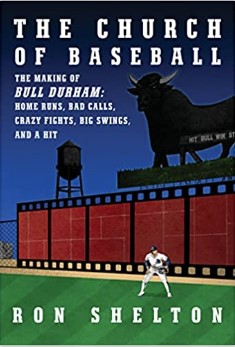 From Ron Shelton, the award-winning screenwriter and director of cult classic Bull Durham, the extremely entertaining behind-the-scenes story of the making of the film, and an insightful primer on the art and business of moviemaking. Full of wry humor and insight, The Church of Baseball tells the remarkable story behind an iconic film. Bull Durham, the breakthrough 1988 film about a minor league baseball team, is widely revered as the best sports movie of all time. But back in 1987, Ron Shelton was a first-time director and no one was willing to finance a movie about baseball—especially a story set in the minors. The jury was still out on Kevin Costner’s leading-man potential, while Susan Sarandon was already a has-been. There were doubts. But something miraculous happened, and The Church of Baseball attempts to capture why. From organizing a baseball camp for the actors and rewriting key scenes while on set, to dealing with a short production schedule and overcoming the challenge of filming the sport, Shelton brings to life the making of this beloved American movie. Shelton explains the rarely revealed ins and outs of moviemaking, from a film’s inception and financing, screenwriting, casting, the nuts and bolts of directing, the postproduction process, and even through its release. But this is also a book about baseball and its singular romance in the world of sports. Shelton spent six years in the minor leagues before making this film, and his experiences resonate throughout this book. |
 “Senator Gary Hart’s voice can heal the country and chart a real course toward equality, freedom, and hope for all.” -Hugh Jackman Hart’s book, The American Republic Can Save American Democracy is a compelling clarion call to American citizens, encouraging them to act on behalf of their imperiled nation. In 1776, America’s Founders proclaimed the new nation a republic with a democratic form of government. Although American democracy has survived for almost 250 years, the rise of populist nationalism in the United States and abroad creates a potent threat that highlights democracy’s vulnerability. In this important and timely work, Gary Hart argues that only by restoring the qualities of the republic in America, namely popular sovereignty, a sense of the common good, resistance to corruption, and civic virtue, can American democracy be saved. Former senator Gary Hart elucidates the urgent challenges that face the US in his erudite, urgent essay The American Republic Can Save American Democracy. Throughout, Hart holds multiple periods in US history in tension: its founding moments, when great thinkers sought to carve out a fair system of governance in which each citizen would have an interest and a say; the post-war period, in which a sense of common duty and responsibility still prevailed; and the period leading up to, and following from, the January 6, 2021 attack on the US Capitol. The book acknowledges the ambition of the American project, which was formed with intention and humility, and names extant threats to it, including its vulnerability to authoritarian takeovers. Hart imparts a sense that, more than anything else, the greatest threat to the US comes in the form of the apathy of its citizens, particularly in periods of creeping (and sometimes screaming) corruption. Hart, who obtained a political science PhD at Oxford once he retired from political life, illuminates these contemporary challenges with precision. He notes that politicians with authoritarian bents have always sought to manipulate the public’s pessimism and intransigence, and that their methods are proving more effective now than ever before. The book stirs alarm over weak responses to the Capitol attack in particular, as well as to the disinformation campaigns that preceded it. But it also inspires hope and a sense of civic duty, reminding American readers that their country belongs to each of them in equal measure, and that taking pride in and fighting for their nation could be its salvation. |
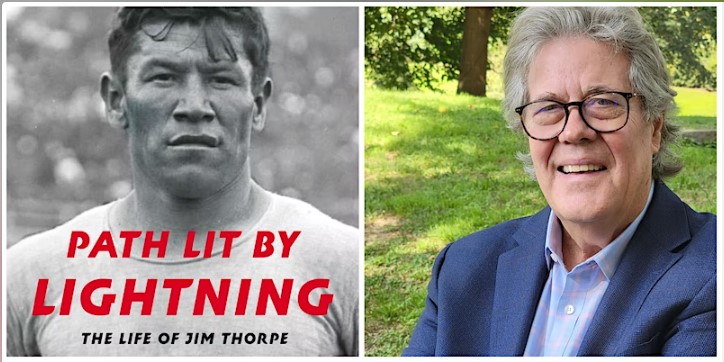 “Path Lit by Lightning” the well-received bio of Jim Thorpe by two-time Pulitzer Prize winning writer David Maraniss is a great American story from a master biographer. Jim Thorpe rose to world fame as a mythic talent who excelled at every sport. He won gold medals in the decathlon and pentathlon at the 1912 Stockholm Olympics, was an All-American football player at the Carlisle Indian School, the star of the first class of the Pro Football Hall of Fame and played major league baseball for John McGraw’s New York Giants. Even in a golden age of sports celebrities, he was one of a kind. But despite his colossal skills, Thorpe’s life was a struggle against the odds. As a member of the Sac and Fox Nation, he encountered duplicitous authorities who turned away from him when their reputations were at risk. At Carlisle, he dealt with the racist assimilationist philosophy “K*ll the Indian, Save the Man.” His gold medals were unfairly rescinded because he had played minor league baseball. His later life was troubled by alcohol, broken marriages, and financial distress. He roamed from state to state and took bit parts in Hollywood, but even the film of his own life failed to improve his fortunes. But for all his travails, Thorpe did not succumb. The man survived, complications and all, and so did the myth. David Maraniss is an associate editor at The Washington Post and a distinguished visiting professor at Vanderbilt University. He has won two Pulitzer Prizes for journalism and was a finalist three other times. Among his bestselling books are biographies of Bill Clinton, Barack Obama, Roberto Clemente, and Vince Lombardi, and a trilogy about the 1960s—Rome 1960; Once in a Great City (winner of the RFK Book Prize); and They Marched into Sunlight (winner of the J. Anthony Lucas Prize and Pulitzer Finalist in History). |
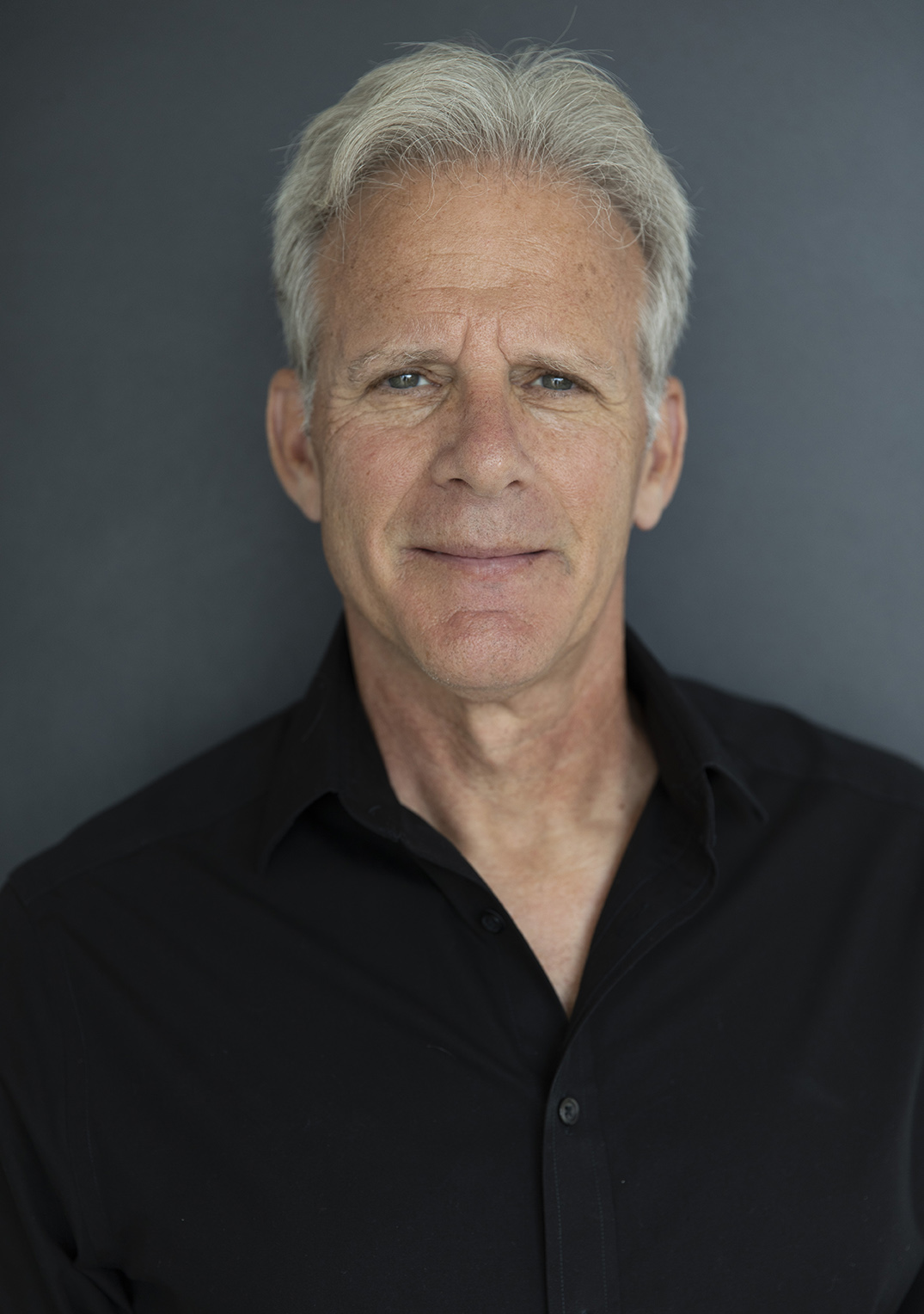 On the eve of the Israeli elections, former Israeli Ambassador to the United States David Oren joined us for a conversation about Benjamin Netanyahu, Likud, Labor, the emergence of a potential in the most extreme Israeli cabinet since its founding, and his new novel, Swann’s War. World War II is raging overseas, but life remains painfully quiet on the rugged New England fishing island of Fourth Cliff. With most of its able-bodied male inhabitants away in the service, the island is now home only to aged fishermen, concerned women and children, and second-rate soldiers guarding a low-priority military emplacement and camp for Italian POWs. With her husband Archie, Fourth Cliff’s beloved police captain, off fighting in the Marines, Mary Beth Swann steps into his role. Though a cop herself, she has to fight for the respect of Fourth Cliff’s hardscrabble residents. And that’s before a murdered POW surfaces in a fisherman’s net, followed by more bodies. Determined to find the killer, Swann must rely only on the help of a simple-minded deputy, a disgraced doctor, and a mob-connected mainlander to prove her worth to Fourth Cliff—and to herself. In the tradition of Where the Crawdads Sing and the BBC’s Foyle’s War, Michael Oren’s novel seizes the reader and doesn’t let go until the very last page. |
 Our annual Mike Dukakis gathering took place on the eve of the 2022 midterms and the former Governor got the math correct, long before any of the talking heads sat surprised with the Election Night totals. Dukakis advised the Biden Administration to “go large,” when it came to a personal stimulus as well as building a define national strategy for upgrading our national infrastructure. He talked about using this moment to rebuild the country for the 21st century—in a way that has not been done since The Great Depression or since Eisenhower inaugurated the interstate highway system. He said that we need more than to merely fund “shovel ready projects,” like what was done in the opening moments of the Obama Administration, but instead we need to take a focused approach to rebuilding our transportation networks, our energy grid so that we can sprint to our goals so that we can move beyond merely being energy independent. He voiced concerns that Republicans are moving to restrict voting rights, based on what was being proposed in places like Arizona and Georgia. He has predicted that many of these voting restrictions will either be thrown out in court or will further energize Democrats to ensure that their votes are counted. |
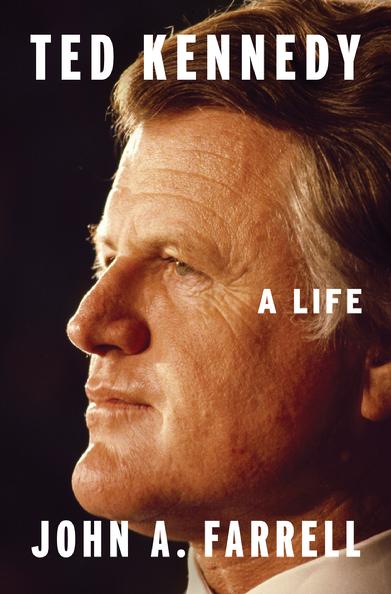 An enthralling and ground-breaking new biography by John Farrell on of modern America’s most fascinating and consequential political figures, drawing on important new sources, by an award-winning biographer who covered Kennedy closely for many years In “Ted Kennedy–A Life,” John A. Farrell’s magnificent biography of Edward M. Kennedy is the first single-volume life of the great figure since his death. Farrell’s long acquaintance with the Kennedy universe and the acclaim accorded his previous books—including his New York Times bestselling biography of Richard Nixon, a finalist for the Pulitzer Prize—helped garner him access to a remarkable range of new sources, including segments of Kennedy’s personal diary and his private confessions to members of his family in the days that followed the accident on Chappaquiddick. Farrell is, without question, one of America’s greatest political biographers and a storyteller of deep wisdom and empathy. His book does full justice to this famously epic and turbulent life of almost unimaginable tragedy and triumph. As the fourth son of the close-knit but fiercely competitive Kennedy clan, Ted was the runt of the litter. Expelled from Harvard University for cheating, he was a fun-loving playboy who nevertheless served his brothers loyally and effectively. It was easy to take Ted lightly, and many did. But when he was elected to the United States Senate at the age of thirty to fill his brother Jack’s seat, something unexpected happened: he found his home and his calling there. Over time, Ted Kennedy would build arguably the most significant senatorial career in American history. His life was buffeted by heartbreak: the violent deaths of his three older brothers, his own terrible plane crash, his children’s bouts with cancer, and the hideous self-inflicted wounds of Chappaquiddick and stretches of drinking and womanizing that caused irreparable damage to an already fragile first marriage. Those wounds scarred Ted deeply but also tempered his character, and, eventually, he embarked on a run as legislator, party elder, and paterfamilias of the Kennedy family that would change America for the better. John A. Farrell brings us the man as he was, in strength and weakness, his profound but complicated inheritance and his vital legacy, as only a great biographer can do. Without the story this book tells, no understanding of modern America can be complete. |
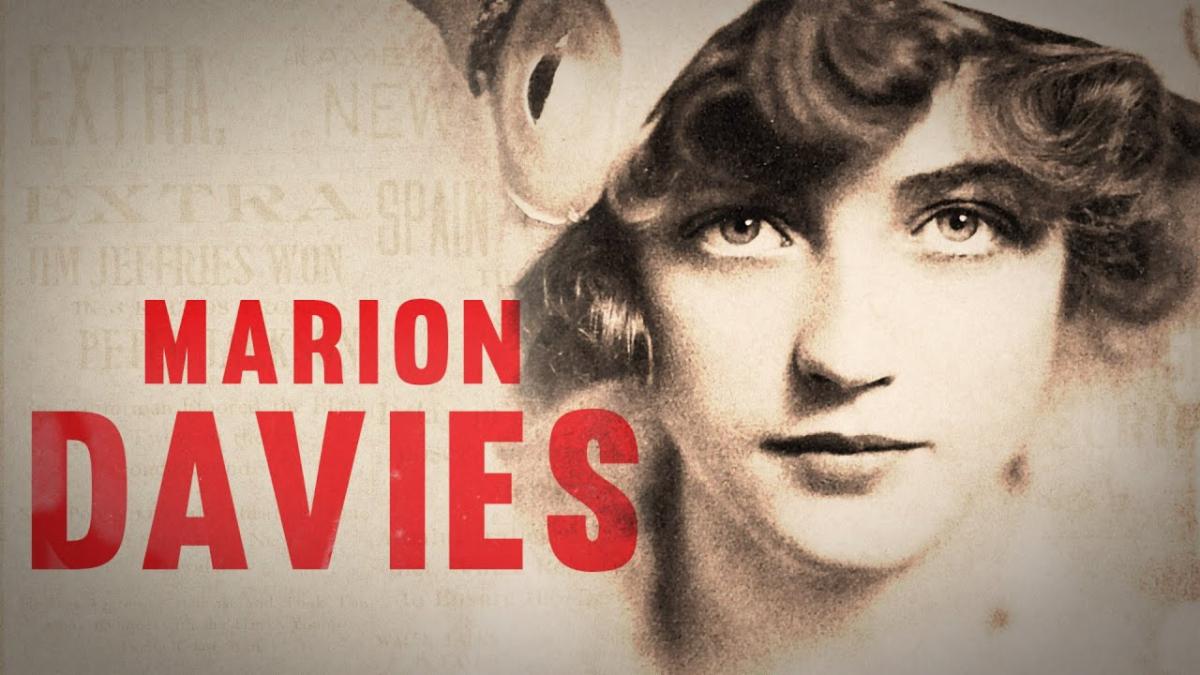 Lara Gabrielle shows that Marion Davies was far more than William Randolph Hearst’s muse or that dreadful fictional portrayal in Citizen Kane. Through meticulous research, unprecedented access to archives around the world, and interviews with those who knew Davies, Captain of Her Soul counters the public story. This book reveals a woman who navigated disability and social stigma to rise to the top of a young Hollywood dominated by powerful men. “Now, finally, there is a deeply researched and fair-minded biography of Marion Davies’s life and movie work . . . . Gabrielle, like a detective or an archaeologist, has reconstructed a life history and made a convincing case . . . . that Marion was a complex, happy, and talented actress . . . . her love affair with W.R. Hearst was genuine, long-lasting, and intensely satisfying.” -Will Hearst From Marion Davies’s humble days in Brooklyn to her rise to fame alongside press baron William Randolph Hearst, the public life story of the film star plays like a modern fairy tale shaped by gossip columnists, fan magazines, biopics, and documentaries. Yet the real Marion Davies remained largely hidden from view, as she was wary of interviews and trusted few with her true life story. In Captain of Her Soul, Lara Gabrielle pulls back layers of myth to show a complex and fiercely independent woman, ahead of her time, who carved her own path. Davies took charge of her own career, negotiating with studio heads and establishing herself as a top-tier comedienne, but her proudest achievement was her philanthropy and advocacy for children. This biography brings Davies out of the shadows cast by the Hearst legacy, shedding light on a dynamic woman who lived life on her own terms and declared that she was “the captain of her soul.” |
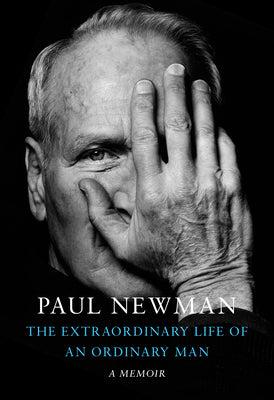 It was Paul Newman’s lost memoir and we spent the day with his daughter Clea Newman Soderlund. Paul Newman was the greatest movie star of the past 75 years and the book covers everything: his traumatic childhood, his career, his drinking, his thoughts on Marlon Brando, James Dean, Elizabeth Taylor, John Huston, his greatest roles, acting, his intimate life with Joanne Woodward, his innermost fears and passions and joys. With thoughts/comments throughout from Joanne Woodward, George Roy Hill, Tom Cruise, Elia Kazan and many others. In 1986, Paul Newman and his closest friend, screenwriter Stewart Stern, began an extraordinary project. Stuart was to compile an oral history, to have Newman’s family and friends and those who worked closely with him, talk about the actor’s life. And then Newman would work with Stewart and give his side of the story. The only stipulation was that anyone who spoke on the record had to be completely honest. That same stipulation applied to Newman himself. The project lasted five years. The result is an extraordinary memoir, culled from thousands of pages of transcripts. The book is insightful, revealing, surprising. Newman’s voice is powerful, sometimes funny, sometimes painful, always meeting that high standard of searing honesty. The additional voices—from childhood friends and Navy buddies, from family members and film and theater collaborators such as Tom Cruise, George Roy Hill, Martin Ritt, and John Huston—that run throughout add richness and color and context to the story Newman is telling. Newman’s often traumatic childhood is brilliantly detailed. He talks about his teenage insecurities, his early failures with women, his rise to stardom, his early rivals (Marlon Brando and James Dean), his first marriage, his drinking, his philanthropy, the death of his son Scott, his strong desire for his daughters to know and understand the truth about their father. Perhaps the most moving material in the book centers around his relationship with Joanne Woodward—their love for each other, his dependence on her, the way she shaped him intellectually, emotionally and sexually. |
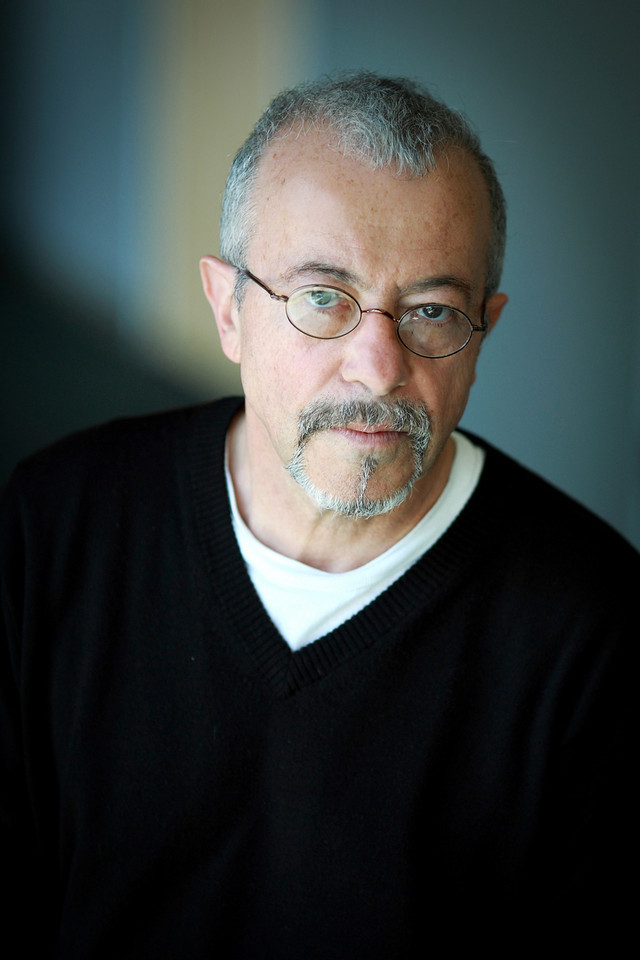 A new book of poems by multi-award winning poet, author, commentator Andrei Codrescu with his new collection of poetry “Too Late for Nightmares. Written during the last two years of COVID-19 and lock downs, his poems reflect musings and thoughts on the human condition and the passage of time during a pandemic. Andrei Codrescu has been a commentator on All Things Considered since 1983. He is an homme-de-lettres whose novels, essays and poetry have been infiltrating the American psyche since he emigrated from his native Romania to Detroit in 1965. “I originally thought that I might select a few commentaries from my regular contributions to NPR’s All Things Considered from the more than three decades (1983-2016) I opined, played, and raged in brief essays. This turned out to be psychologically wrenching plus impossible, so I am offering instead a link to the many pieces digitized in the NPR archive. There are many essays from the analog days that haven’t made it into the archive, but some of them may be found in print in a number of published collections: “A Craving for Swan,” (1986) and “Raised by Puppets Only to be Killed by Research.” There are also audio recordings in “Plato Sucks” (Dove Audio). My editors at NPR have kindly offered “to keep the door open,” should I find speaking to 26 million people interesting again. When I started in 1983 there were only three or six million listeners, so who wouldn’t like to talk to 9 times as many? A lot of people, I’m sure, but at this point the form feels exhausted. Everyone opines on the internet, satire rules the republic, ignorance is a cabinet post, and the world is generally either opiated or overspecialized. Poetry can do a better job. Not only that, but poetry will be the new currency as the default currencies melt like the glaciers. You can’t pay for rutabagas with poetry yet, but it won’t be long.” |





 The Luncheon Society